Methods to Locate and Fix Water Stains on Wall Surfaces
Instant QuoteWhat are your ideas concerning How to Find and Repair Water Leaking in the Wall?
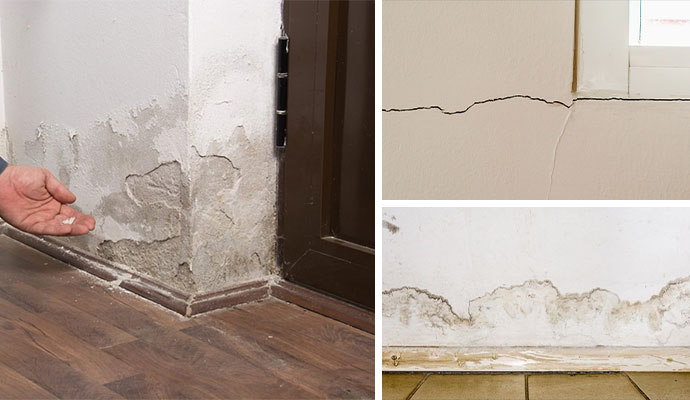
Water discolorations on walls are not enjoyable to the eyes. Sometimes it appears practically inescapable to experience water spots on walls in homes.
Property owners living in humid areas regularly manage the fear of water stains on walls. Yet that doesn't need to hold true for you. With accurate as well as all-around details on the causes of water discolorations and also timely repair service procedures, you will always be a step ahead of such events. This post promises to be a helpful overview for you.
3 Usual Root Causes Of Water Spots on Walls
Contrary to popular belief, water spots on wall surfaces do not constantly come from poor building products. There are numerous root causes of water spots on wall surfaces. These include:
Wet
When hot damp air meets dry cold air, it creates water droplets to form on the walls of buildings. This happens in kitchens and bathrooms when there is heavy steam from cooking or showers. The water beads can stain the bordering walls in these parts of your residence as well as spread to other locations.
Damp or condensation influences the roofing system and also wall surfaces of structures. When the wall is damp, it develops a suitable setting for the growth of germs and fungi.
Poor Drainage
When making a structure plan, it is crucial to make certain ample water drainage. This will certainly protect against water from seeping into the walls. Where the drain system is obstructed or missing, below ground moisture develops. This links to excessive moisture that you notice on the wall surfaces of your building.
So, the leading source of damp wall surfaces, in this situation, can be a poor drainage system. It can also result from inadequate monitoring of sewer pipelines that go through the building.
Pipeline Leaks
A lot of residences have a network of water pipes within the walls. It constantly raises the feasibility of such pipelines, as there is little oxygen within the wall surfaces.
A drawback to this is that water leakage affects the walls of the building and also triggers widespread damages. An indication of faulty pipelines is the appearance of a water discolor on the wall surface.
Pro Idea
A houseplant in your house likewise increases its moisture. If the home is already moist, you may desire to introduce houseplants with minimal transpiration. An instance of suitable houseplants is succulents.
Water Spots on Wall Surface: Repair Service Tips
Property owners would usually want a quick fix when taking care of water discolorations. Yet, they would certainly quickly realize this is disadvantageous as the water stains persist. Below are a few valuable ideas that will certainly assist you in the repair of water discolorations on walls:
Final thought
No one wants to have water discolorations on walls in their residence, it can occur to the ideal of us. This short article gives you take advantage of, as you currently recognize just how to handle this incident if it does take place.
It is always best to recruit professional services to help repair the damages in your home.
Often it appears almost inescapable to experience water spots on wall surfaces in homes.
Contrary to prominent belief, water spots on walls do not constantly stem from inadequate structure products. There are numerous reasons of water stains on walls. The water beads can stain the bordering walls in these parts of your home and spread to various other areas.
Below are a few helpful tips that will lead you in the repair service of water stains on wall surfaces:
CHECKING FOR WATER DAMAGE
Water damage can be costly, and it may begin before you even notice the first signs of trouble. Water damage can cause mold and mildew in your walls and floors, which can create an abundance of health concerns for your family. It can also lead to costly repairs of various appliances and general home fixtures. To avoid the pricey consequences of water damage, here are Warner Service’s top 5 places you should check:
The walls – The easiest place to spot the beginnings of water damage is on the walls and ceilings of your home. If water damage is present, there will most likely be water stains, especially around the windows and doorframes, and/or cracks in the drywall. If a stain looks unusual (discolored to brown, black or gray, raised texture), has a swollen appearance or is soft to the touch, contact a professional immediately. The pipes – To avoid water damage, consistently check the pipes in your kitchen (especially the dishwasher and ice maker), bathrooms, laundry room (specifically washing machines) and basement for corrosion, leaks and water stains. Pay special attention to where the pipes connect in your home and the location of caulking around the bathroom fixtures, including toilets, sinks, showers and tubs. Missing or loose caulking and grout could be signs of leaking water. This seepage can also quickly cause mold and rust, so double check your water heater and tank for wet spots on the floor. The floor – Water damage is very easy to spot on the floor. Look for any warping or buckling of the material, especially in the basement. If your home has wood flooring, look for bright white or dark stains. If your home has carpeting, keep it dry and clean. A damp carpet that smells of mold could cause water damage and health problems. To avoid this, consider installing floor pans under your appliances to help prevent damages from small, slow and undetected leaks. The basement and attic – If your basement or attic smells odd check for mold and mildew around the area, especially the valley where the roof meets. While you are inspecting those areas, check for wall cracks, floor stains, rust and dampness in the insulation. If you live in a colder and/or rainier climate, perform routine checks for water damage from melting snow or ice and rain. The exterior – Check the roof for damaged flashing and missing, cracked or curled shingles. There should also be no standing water anywhere outside your home. This could be caused by puddles, leaky rain gutters or hoses, poor drainage, or short gutter spouts. Invest in a sump pump system or water flow monitoring system, and perform routine maintenance on these outdoor appliances to avoid indoor water damage.
Hopefully you enjoyed our part on . Thanks a lot for finding the time to read through our blog post. Sharing is nice. Who knows, you may very well be doing someone a favor. Thanks a lot for your time. Come back soon.
Maintenance Sign-Up